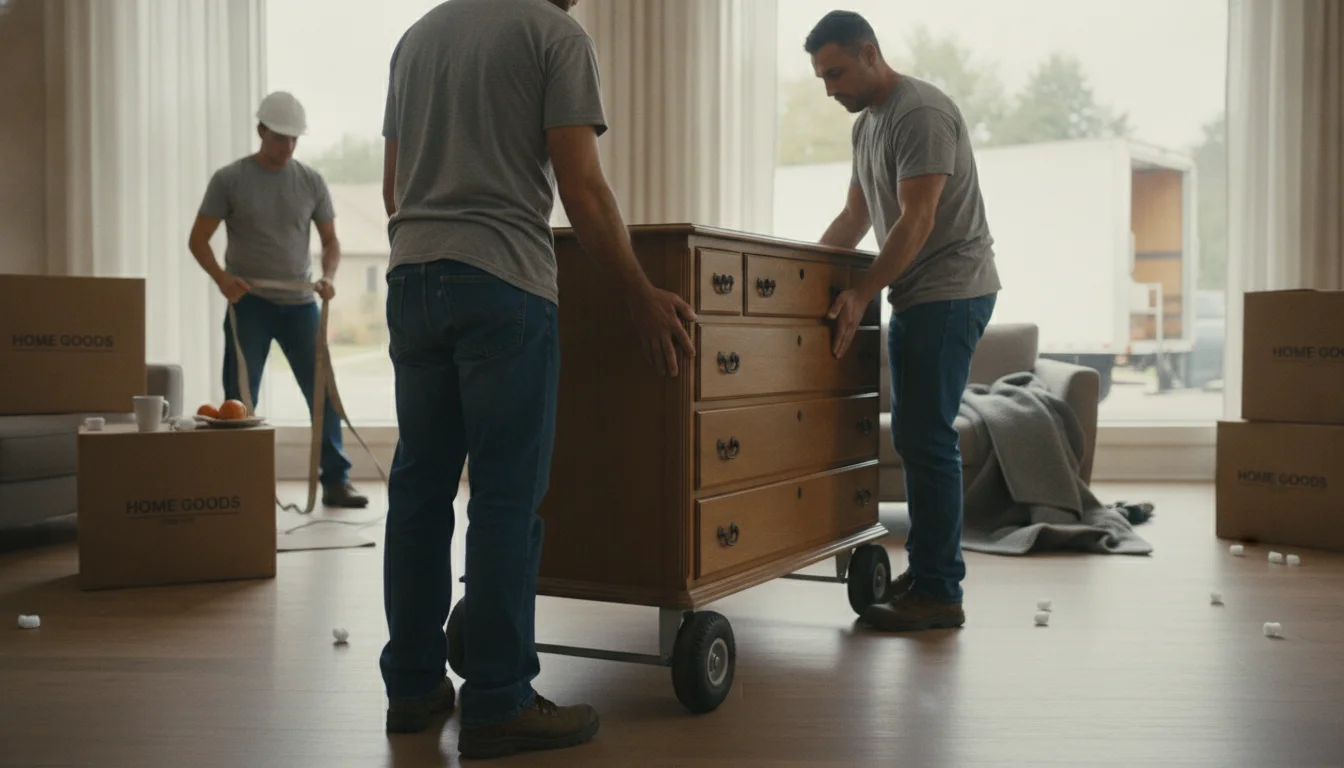
Ever looked at a sectional and wondered how it’s getting through the door? A professional furniture removal service is a trained team that safely removes bulky furniture and coordinates donation, recycling, or disposal under local rules. This quick guide explains when to call pros, how they work, and how to get ready so your move or remodel stays on schedule.
Key Takeaways
- Pros handle heavy, awkward items and tight spaces without damaging floors, walls, or rails.
- Donation and recycling are arranged for usable pieces; the rest is disposed of per Florida regulations.
- Clear pathways, decide what stays or goes, and plan parking or elevator time before pickup day.
- Costs vary by volume, item type, access, and labor time; bundling items in one visit is efficient.
Junk Removal Springhill works locally every week, providing pickup and haul away for couches, dressers, and mattresses as part of Furniture Removal and Residential Junk Removal services.
8 signs you need a professional furniture removal service
-
Your furniture is too heavy or awkward to move safely. Oversized sectionals, solid wood armoires, and reclining sofas can strain backs and gouge floors. A trained crew brings the right gear—dollies, straps, sliders—and the technique to move weight without injury.
-
Stairs, narrow hallways, or elevators make moving risky. Tight turns, 36-inch doorways, or walk-up buildings require careful planning and padding. Pros protect walls, banisters, and doorframes and know when to disassemble to avoid damage.
-
You’re on a tight timeline for a move, renovation, or sale. Same-week pickup helps keep painting, flooring, and showings on track. A coordinated visit can clear multiple rooms in one go so schedules don’t slip.
-
Your curbside pickup won’t take bulky items or has strict rules. Many municipal programs limit size, weight, or quantity, and some won’t accept mattresses or recliners. Crews handle items curbside won’t and ensure proper transfer to approved facilities.
-
You want donation, recycling, or eco-friendly disposal handled. Usable furniture can be routed to local charities, while broken pieces are sorted for recycling where available. Professionals separate wood, metal, and textiles to reduce landfill volume.
-
You lack the right tools, vehicle, or help. Most homes don’t have moving blankets, shoulder dollies, or a box truck. A removal team brings equipment, labor, and transport so you don’t have to rent or borrow.
-
There’s risk of property damage or injury. Trained teams pad corners, disassemble safely, and carry with proper footing. That helps protect drywall, flooring, and—most importantly—people.
-
You’re clearing an estate, downsizing, or facing a cluttered space. Sensitive projects benefit from patient sorting, labeled sets, and item photos for records. A steady, methodical approach keeps emotions and logistics manageable.
What a pro furniture removal team actually does
On-site assessment and upfront plan. The crew reviews item types, access points, and volume. They explain the sequence, estimated time on site, and what will be donated, recycled, or disposed of based on Springhill guidelines.
Safe disassembly, padding, and removal. Technicians remove legs, doors, or mirrors to fit tight turns. They wrap sharp edges, lay runners to protect floors, and carry with coordinated lifts to prevent bumps or scrapes.
Responsible donation, recycling, and disposal. Good mattresses, tables, and chairs may be donated if accepted locally. Damaged items are sorted for recycling where possible—metal frames, wood components, and hardware—then the remainder is taken to permitted facilities.
Licensed and insured crews for peace of mind. Coverage protects both your home and the team, which matters when moving heavy furniture from upstairs rooms, basements, or garages.
For mixed cleanouts, the same visit can include Appliance Removal or Construction Debris Removal alongside furniture.
How to prepare for furniture pickup day
Measure doorways and clear pathways. Check tight turns and remove rugs or clutter that can catch wheels. Clear stairs and landings so carries are direct and safe.
Decide what stays, what goes, and where it should go. Group donate, recycle, and dispose items in separate areas. Label sets—like bed frames and hardware—so nothing is misplaced.
Photograph items for records or donation receipts. Pictures help for estates, insurance notes, or potential tax records if a charity accepts the item. They also document condition before removal.
Secure pets, kids, parking, and elevator access. Reserve a spot near the door if possible. Book elevator time and notify building management to avoid delays.
Cost factors and smart scheduling tips
Volume, weight, and item type affect price. Sofas and dressers consume more truck space and lifting time than a single chair. Mixed loads may add sorting time for donation and recycling.
Access challenges and labor time. Stairs, long walks, or tight spaces increase time on site. The crew plans staffing and equipment accordingly for a safe move-out.
Off-peak scheduling and bundling items to save trips. Weekday bookings and grouping items into one visit can reduce repeat efforts and help your timeline.
Questions to ask before you book:
- Are you licensed and insured?
- What items do you donate or recycle?
- How do you handle tight stairs or elevators?
- Can you remove a sofa, mattress, and dresser in one stop?
- What should I do before pickup day?
If your project is larger than furniture alone, mentioning Residential Junk Removal or Commercial Junk Removal can streamline planning.
Frequently Asked Questions
When should I hire a professional furniture removal service instead of doing it myself?
Hire pros when items are heavy, access is tight, or timing is urgent. Crews bring tools, protective materials, and a truck, and they handle disassembly, donation, and disposal. This reduces injury risk, prevents home damage, and typically finishes the job in one visit.
How soon can a local team come out near me?
Schedules vary by season and demand. Many teams offer next-day or same-week pickup in Springhill. If you have stairs, elevators, or parking limits, share that early so the crew brings the right gear and books enough time for safe removal.
What happens to my furniture after pickup?
Usable items may be donated to local charities. Damaged or worn pieces are sorted for recycling when possible, such as metal frames or wood components. Items that can’t be reused or recycled are taken to approved facilities per local rules in Florida.
These answers apply to homes and small offices alike and align with common office or retail removal FAQs.
Key takeaways
- Pros make heavy, awkward moves safer and protect your home.
- Donation and recycling are handled so less ends up in the landfill.
- Planning your space and access speeds pickup day.
- Ask about insurance, disposal methods, and timing before you book.
- Junk Removal Springhill can bundle services like Furniture Removal and Appliance Removal in one visit.
Conclusion
Old couches, mattresses, and dressers don’t have to slow your plans. With Junk Removal Springhill, you get careful removal, helpful sorting, and a clear plan in a single visit. Serving Springhill with local knowledge and licensed crews. Contact us.