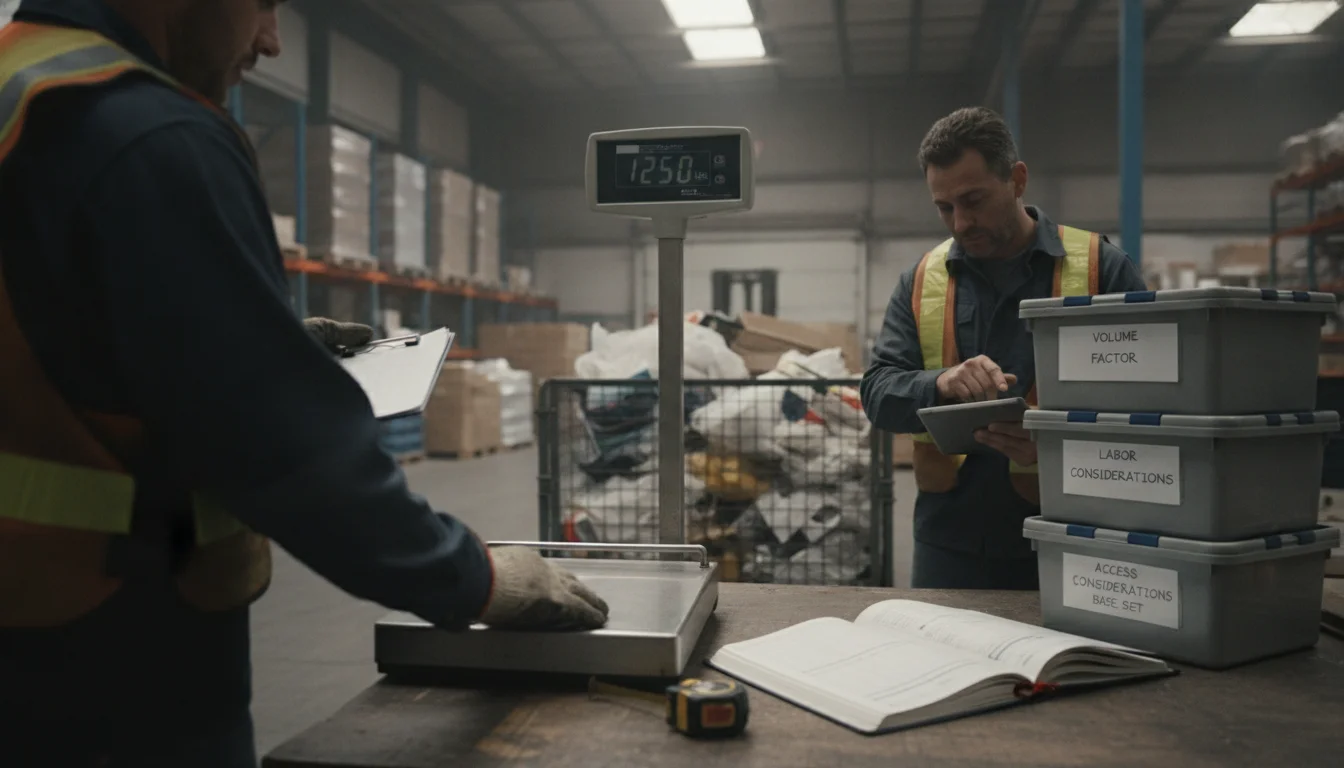
A warehouse cleanup service covers a site walkthrough, a defined scope, safe dismantling, staged loading, hauling, recycling, and a final sweep with sign‑off, plus basic documentation for removed items and any regulated waste. In Springhill, providers schedule around your shifts so operations keep moving and your floors are cleared, safe, and ready.
Looking for a simple plan to clear pallets, racks, and bulky junk without halting work in Springhill? This guide breaks down how pros do it, step by step.
Table of Contents
- What does a warehouse cleanup service include from start to finish?
- How do professionals handle pallets, racking, and bulky debris?
- What equipment and safety standards are used on commercial sites?
- Can a warehouse cleanup service manage hazardous or e-waste properly?
- How is pricing calculated and what affects the final cost?
- What scheduling options minimize downtime for operations?
- How should you prepare your facility before the crew arrives?
- Frequently Asked Questions
- Key takeaways
- Conclusion
What does a warehouse cleanup service include from start to finish?
A full service starts with a pre-clean walkthrough. The crew manager reviews access points, dock height, the floor plan, and any safety notes. They confirm what stays and what’s removed, map a load path, and choose staging areas. This quick step helps the project run efficiently and safely on cleanup day in Springhill.
Next is the scope. The scope lists areas, item types, and add-ons such as rack teardown, pallet stack removal, loose shrink wrap, old conveyors, and scrap metal. It also notes reporting needs like a load log, photos, or an e-waste certificate. The team then sets a start time and crew size.
Work proceeds in zones. Pros isolate a small area, tag items, and begin breakdown. Pallets stack to spec, loose trash goes to carts, metals are separated, and cardboard is staged. Bulky items are cut or unbolted. The aim is clear lanes, safe footing, and no trip hazards for staff still on shift.
Loading follows a plan. High-volume items go first. Heavy items ride low and tight; lighter materials top off the load. Dock spots turn quickly, and trucks cycle to keep space open. If docks are congested, crews switch to box trucks or smaller shuttles.
After removal, the final sweep begins. Floors are broomed, corners and dock wells are checked, and the manager walks the site with you for sign‑off. You also receive simple documentation, such as load photos, a materials list, and any regulated records noted.
Pre-clean walkthrough and scope
This short meeting sets goals, access, and risk controls. It also prevents guesswork and saves time when the crew arrives.
Final sweep, sign-off, and documentation
You confirm completion standards on a walkthrough. You get the records you need for files and audits.
How do professionals handle pallets, racking, and bulky debris?
Pros start with material separation. Wood pallets stack by grade, with broken ones moving to wood recycling or fuel partners. Plastic pallets go to plastics recovery streams. Metal racks and wire decks are sorted for scrap. Early separation reduces landfill tonnage and clears space faster.
For racking, crews unbolt frames and beams in a set order. Beams come down with pins pulled; uprights are braced, then lowered. Anchors are backed out cleanly. This sequence keeps people safe and parts intact. Components are banded and staged for reuse or scrap. Shelving follows a similar method.
Bulky equipment like conveyors, worktables, or mezzanine parts is dismantled methodically. Teams use impact tools and guarded saws, cap sharp edges, and strap heavy pieces to dollies. The load path remains clearly marked with cones and tape so aisles don’t clog.
Loading is neat and tight. Wood stacks together, metals sort by size, and loose film is bagged. Trucks do not mix hazardous items with general debris. When docks are occupied, teams shift through side doors or use ramp plates, protecting floors with mats under heavy wheels.
Recycling streams keep waste low. Cardboard bales, stretch film, and banding get bundled. Metals go to scrap vendors. Usable pallets may be resold or donated. E-waste is isolated for specialized handlers.
Safe dismantling and material separation
Breaking items in place increases risk. Teams move them to a controlled zone first, then dismantle and sort by material to keep the work area safe.
Loading, transport, and recycling streams
Loads are planned by weight, route, and material type. Recycling is tracked so you can report landfill diversion to stakeholders.
What equipment and safety standards are used on commercial sites?
Pros follow OSHA rules. OSHA is the federal agency that sets workplace safety standards. Crews wear PPE (personal protective equipment): hard hats, eye and hand protection, and safety shoes. High‑visibility vests help drivers see pedestrians in busy aisles.
Forklifts and pallet jacks move bulk efficiently, and only trained operators run lifts. Forklifts are inspected before use, aisles stay within rated widths, and loads remain within posted rack and lift limits.
Cutting tools have guards and dust control. Cords are taped down, ladders and mobile stairs are inspected, fall areas are marked, and emergency exits stay clear. Spill kits are kept nearby if fluids are present.
Access details matter on large sites. Dock levelers are checked and wheel chocks set. Tight docks may require ramps or lift gates. Floor protection goes down to guard epoxy or polished slabs. Scissor lifts provide safe reach for ceiling-height signs or conduit removal.
Communication keeps people safe. Crews use radios, and a spotter watches when lifts turn or back up. Clear hand signals are used in noisy areas. Daily huddles set goals, zones, and stop times so everyone works to the same plan.
OSHA-compliant practices and PPE
Standards and PPE reduce risk and support insurance and audit readiness for your facility.
Heavy machinery and access solutions
Forklifts, scissor lifts, and ramps keep work moving while protecting docks, floors, and staff.
Can a warehouse cleanup service manage hazardous or e-waste properly?
Yes, when handled by trained teams. Hazardous waste is any waste that can harm people or the environment, including certain chemicals, paints, aerosols, and batteries. E-waste means old electronics and IT gear that require special handling. The EPA explains electronics donation and recycling options.
Pros begin with identification. They request Safety Data Sheets (SDS) when needed, check labels on drums and cans, and separate batteries, fluorescent lamps, and devices with screens. Liquids are inspected for leaks and stored upright in appropriate containers.
When e-waste is present, it is packed by type. Hard drives may be removed for wipe or shred per your policy. Devices are stacked in lined bins and transferred to a specialized recycler. You can request a certificate of recycling or destruction for your records.
Hazmat items follow rules for storage, marking, and transport. Drivers carry the correct documentation for regulated loads.
Records matter. Auditors or landlords may require proof. Reliable providers keep load photos, weight tickets when available, and vendor receipts tied to your cleanup date and dock bay.
Identifying regulated materials
Staff tag suspect items early, keep them isolated from general debris, and note them on the project scope.
Certified disposal and required records
Vetted partners complete the chain of custody. You receive clear paperwork to close the loop.
How is pricing calculated and what affects the final cost?
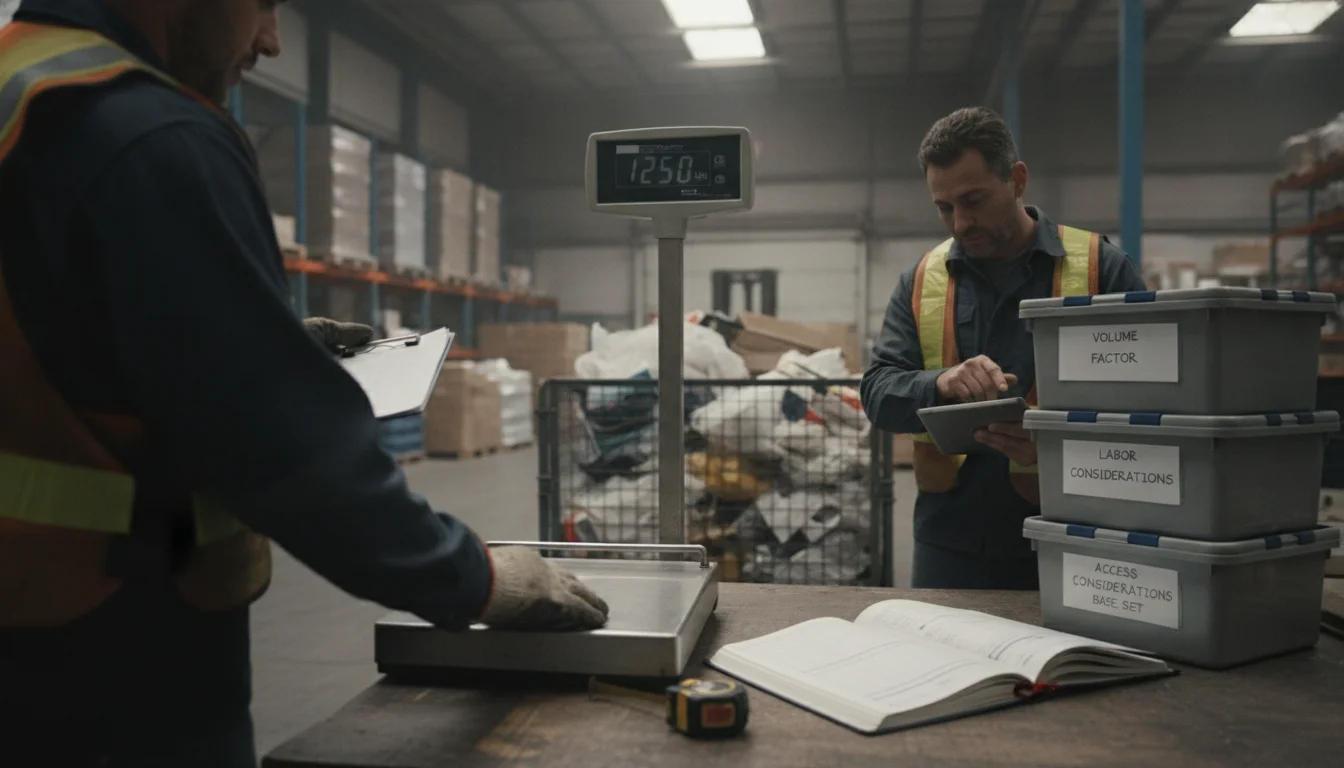
Cleanup costs typically depend on volume, labor, and access. Volume is the space your debris takes in a truck or dumpster. Labor covers the people and time required to dismantle, move, and load. Access includes dock availability, elevator time, stairs, and distance from the load point to the truck.
Material mix also matters. Pallets, racks, and metals can reduce disposal costs due to scrap value, while loose mixed trash generally costs more to dump. E-waste and hazardous items need specialized handling, which adds time and vendor fees. Tight timelines, after-hours work, or security clearances can also affect cost.
Site rules can change the plan. If landlord policies limit truck size or hours, more trips may be needed. If escorts are required, crews may move in smaller groups. Weather can slow outside staging. A capable team builds these factors into the schedule so surprises are rare.
Ask how loads are measured. Some providers use truck fractions, others use a per‑item or per‑zone model. For dense debris, weight may be used when scales are nearby. Expect a clear explanation of measurement, verification, and what records you’ll receive.
Volume, labor, and access factors
These three drivers set the baseline. Materials, timing, and site rules adjust the total up or down.
Line items you should expect on a quote
- Project scope and areas covered
- Crew size and expected hours
- Equipment included (lifts, carts, PPE)
- Material streams and disposal partners
- Scheduling notes and access plan
- Documentation to be provided
What scheduling options minimize downtime for operations?
Pros tailor schedules to your shifts. Many projects run after-hours or on weekends when floors are quiet, allowing clear lanes and faster turns at the dock. Phased work keeps part of the floor open while one zone is cleared. Signs and cones separate live zones from work areas.
If operations must stay open, teams stage in small sections, close one aisle, clear it, then reopen it. They synchronize with your dock team; when carriers arrive, crews pause loading, then resume when doors free up.
Busy sites require extra coordination. Daily huddles set goals and times. Radios keep managers connected. If a carrier blocks a dock, the plan shifts to a side door or lift gate. Box trucks help when tractor-trailers can’t reach a bay.
Some facilities use a night/day handoff. Day staff tag items and prep stacks; night staff load and haul. Notes and photos ensure both shifts follow the same plan so timelines stay on track in Springhill and surrounding areas.
After-hours and phased cleanouts
Work during quiet windows. Use zones so your teams keep moving with less risk and fewer interruptions.
Coordination with facility and carriers
Share dock schedules and live-load windows. Align breaks and truck cycles to keep freight flowing.
How should you prepare your facility before the crew arrives?
Good preparation speeds the job and reduces risk. Start with a clear keep/remove plan. Use color tags or tape: green for keep, red for remove. Mark time‑sensitive or fragile items. Let staff know not to place new stock in tagged zones.
Move active product out of the work path and clear a staging spot near the dock. If you have a baler, bale cardboard in advance; if not, the crew will bundle it. Confirm restrooms and break rooms remain open for your team.
Share site rules. Security steps, PPE requirements, and no‑go areas help the crew integrate quickly. Arrange badges if needed and assign a single on‑site contact.
Inspect the dock and parking areas. Mark low pipes, tight turns, and no‑parking zones. Ensure lighting is adequate inside and out. Good visibility supports speed and safety during your warehouse cleanup.
Clear-to-keep vs. remove tagging
Simple tags remove guesswork and help prevent accidental removal of critical inventory or equipment.
Site readiness checklist for a faster cleanup
- Tag keep/remove on racks, pallets, and gear
- Open clear paths from zones to the dock
- Reserve dock spots and set wheel chocks
- Share shift times and carrier windows
- Stage bins for cardboard, metal, and film
- Confirm badges, escorts, and site contacts
Frequently Asked Questions
Do junk removal companies take couches and office furniture from warehouses?
Yes. Crews remove couches, chairs, desks, and break room sets. They protect doors and floors, then load items by size. Many donate usable pieces and recycle metals. A warehouse cleanup service can include this as part of a larger clear‑out.
Where can I throw away big furniture from a commercial site?
Oversized items may not be accepted at regular dumpsters, depending on local rules. Use a commercial junk removal team or a transfer station that accepts bulky waste. Pros handle loading, transport, and disposal rules so your staff can stay focused on core work.
Are there junk removal packages for entire facilities?
Yes. Many providers offer full cleanouts by zone or by building. Packages can include rack teardown, pallet stacks, electronics, and loose debris. They also plan after‑hours work and dock schedules so your operation keeps moving.
How do I get rid of old electronics and IT gear?
Keep e‑waste separate. Remove or wipe hard drives per your policy. Pack devices in lined bins. An e‑waste recycler can manage chain of custody and provide a certificate. The EPA offers guidance on electronics at its site noted above.
Where do I take tree branches or pallets near me?
Tree branches typically go to green waste or city drop‑off sites. Pallets can be recycled, resold, or chipped. A local team in Springhill can pick them up and sort them by grade as part of a scheduled service.
Do you also handle residential projects like professional house cleanouts?
Many teams that run warehouse cleanup also provide professional house cleanouts and related residential services. If you manage both commercial and residential properties, ask for house cleanout FAQs and scheduling options to coordinate multi-site work.
Key takeaways
- Plan the walkthrough and scope. Clear goals reduce risk and speed the job.
- Separate materials early. Pallets, metals, and cardboard move faster when staged right.
- Work safely. Follow OSHA standards, use PPE, and protect docks and floors.
- Handle special waste correctly. Use trained partners for e‑waste and hazmat with proper records.
- Schedule strategically. After‑hours or phased plans keep your floor productive in Springhill.
Conclusion
Junk Removal Springhill works across Springhill every week to clear pallets, racks, and bulky debris with safe, efficient plans that fit your shifts. Junk Removal Springhill can also coordinate Commercial Junk Removal, Construction Debris Removal, Appliance Removal, Estate Cleanout, and Shed Removal & Demolition as part of a tailored program for your site. Contact us to schedule a warehouse cleanup that fits your hours and keeps operations moving.
If you are not sure which of these you are dealing with, it is worth having someone look at it before it turns into a bigger job. Get in touch with Junk Removal Springhill today and we will tell you where you stand.