These large appliance removal FAQs explain what pickup includes, which items services may accept, and how appliances are handled. The final cost depends on size, access, labor, condition, and disposal needs. This guide also covers safe preparation, recycling, refrigerator rules, and pickup planning in Springhill.
Table of Contents
- What Does Large Appliance Removal Include?
- How Much Does Large Appliance Removal Cost?
- Can Large Appliances Be Recycled?
- How Are Refrigerators and Freezers Disposed Of?
- What Should You Know About Washer, Dryer, Stove, and Dishwasher Removal?
- How Do You Prepare for Large Appliance Pickup?
- How Can You Choose a Responsible Appliance Removal Service?
- Frequently Asked Questions
- Key Takeaways
- Conclusion
What Does Large Appliance Removal Include?
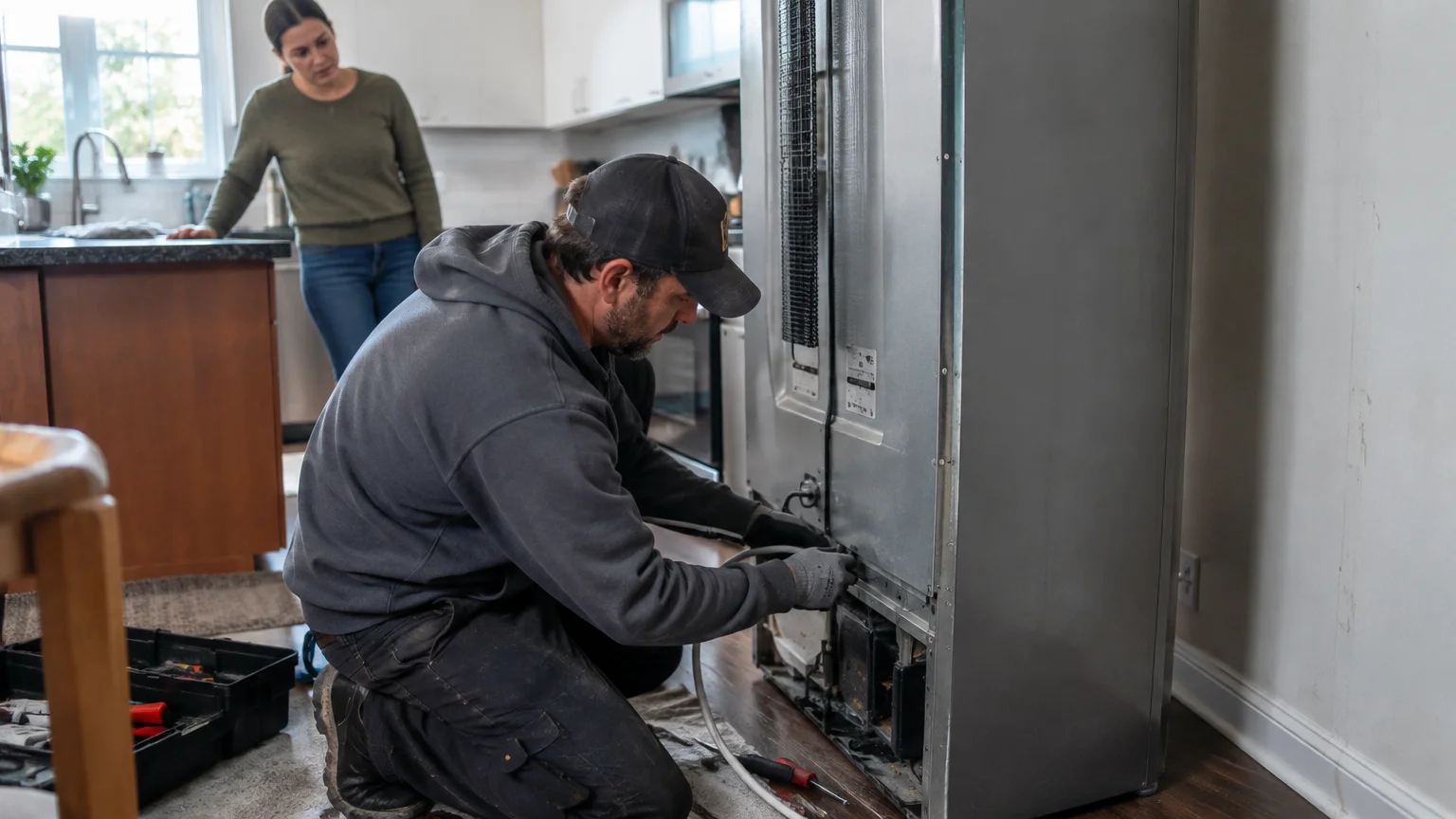
Large appliance removal often includes lifting, carrying, loading, transport, and proper disposal or recycling. It can help homeowners, landlords, property managers, and business owners clear heavy items. These services are useful when an appliance will not fit in a normal car or truck.
Which appliances are typically accepted?
Most large appliance services accept common household units, such as:
- Refrigerators and chest freezers
- Washing machines and clothes dryers
- Electric and gas stoves
- Ovens and cooktops
- Dishwashers and compactors
- Water heaters, when local rules allow them
Accepted items can differ by company and location. The service may need details about gas lines, built-in units, damage, or unusual sizes. Junk Removal Springhill can help Springhill homeowners learn which items fit the planned pickup.
Some companies also remove appliances from rental homes, offices, stores, and small businesses. A property owner may need several units cleared after a remodel or move-out. A business owner may need old break-room items removed during an office cleanout. Similar questions may also come up in retail removal FAQs, office cleanout FAQs, or house cleanout FAQs.
When is professional removal helpful?
Professional help is useful when an appliance is heavy, built in, or hard to reach. A refrigerator may need careful movement through a tight doorway. A washer may still hold water, and a gas range may need safe disconnection.
A homeowner does not need a professional to wipe an appliance, remove loose shelves, or clear a simple path. Those are safe tasks to handle at home. However, homeowners should not cut gas lines, disconnect unknown wires, or work on leaking cooling parts.
How Much Does Large Appliance Removal Cost?
Large appliance removal has no single cost for every job. The final amount depends on the appliance, access, labor, distance, condition, and disposal needs. A quote should confirm the final cost after the service reviews the job details.
What factors affect the final cost?
The appliance type is one key factor. A small dishwasher is often easier to move than a large refrigerator or commercial freezer. A heavy unit may need more workers or special moving tools.
Access also matters. Stairs, tight halls, long walks, uneven ground, and limited parking can make removal harder. A built-in oven may take more work than a freestanding stove. Broken wheels, sharp metal, or a stuck door may also require extra care.
Disposal needs can affect the quote as well. Refrigerators and freezers may contain refrigerant and other parts that need special handling. Some areas have rules for appliances with oils, foam insulation, or electrical parts.
Share clear details before booking. Useful information includes the appliance type, size, floor location, stairs, access width, and connection to gas, water, or power. The final cost is confirmed on a quote.
How does appliance removal compare with other junk removal jobs?
Large appliance removal is often more involved than removing light household clutter. Appliances can be heavy, hard to grip, and difficult to transport. They may also need sorting before they reach a recycling center or transfer station.
One small appliance may be simpler than a full property cleanout. Several large units, a commercial appliance, or a hard access route may need more planning. The best comparison comes from the job details, not a general online estimate.
Junk Removal Springhill can explain which details affect a pickup. Customers should compare the service scope, disposal plan, access needs, and timing. The final cost should be confirmed on a quote before the work begins.
Can Large Appliances Be Recycled?
Yes, many large appliances can be recycled in part or in full. Recycling means a facility removes useful materials and sends them into a new production process. It does not always mean every part of the appliance will be reused.
Which appliance materials can be recovered?
Large appliances often contain steel, aluminum, copper, glass, plastic, wiring, and electronic parts. Metal is often sorted and processed for reuse. Motors, compressors, shelves, and controls may also have useful parts.
A recycling facility may inspect the appliance first. It can then remove fluids, separate unsafe parts, and prepare the shell for metal recovery. Some items may go to a special processor instead of a general scrap facility.
The final path depends on the appliance condition and local rules. A clean, complete unit may be easier to process than one mixed with other debris. A service that sorts its loads can send more materials to the right facility.
How are refrigerants and other unsafe parts handled?
Refrigerant is a chemical used in many cooling systems. It must be recovered with proper tools before the appliance is crushed, taken apart, or recycled. Homeowners should never puncture a cooling line or release refrigerant.
Other parts may need care too. These can include oils, batteries, capacitors, mercury switches, insulation, and electronic controls. A responsible provider asks about the appliance and follows local disposal rules.
Customers can ask where the appliance will go after collection. It may go to a recycling facility, transfer station, reuse center, or special appliance processor. No provider can promise that every part will be recycled, but a good service should explain the planned process clearly.
How Are Refrigerators and Freezers Disposed Of?
Refrigerators and freezers need special disposal because they contain cooling systems, refrigerant, oils, and insulated materials. They should be collected by a service that knows how to handle these parts. They should not go with regular trash unless the local program clearly accepts them.
Why do refrigerators require special handling?
A refrigerator can contain refrigerant inside sealed tubes. Older units may contain chemicals with greater environmental risks. Newer units still need proper recovery and processing. The compressor may also contain oil and useful metal.
The appliance should be emptied and disconnected before it moves. A provider may keep it upright during transport. This can help limit spills and protect the cooling system, but the provider will choose the safest method.
Local programs may offer appliance recycling events, utility take-back choices, or scheduled collection. Rules can differ by city and state. A homeowner should check the local program or ask the removal company before setting a refrigerator at the curb.
What should homeowners do before refrigerator pickup?
Remove all food, shelves, drawers, magnets, and loose items. Defrost the unit when possible. Dry water from melting ice before the pickup.
Leave the cooling lines and compressor alone. Do not cut the cord, remove the back panel, or puncture a pipe. If the refrigerator has an ice maker, a qualified person should handle the water connection when needed.
Keep children and pets away from an abandoned appliance. A refrigerator door can create a serious safety risk. Before leaving a refrigerator unattended, remove the door or secure it open so a child cannot become trapped inside.
What Should You Know About Washer, Dryer, Stove, and Dishwasher Removal?
Washers, dryers, stoves, and dishwashers often qualify for large appliance removal. Each item has different preparation needs. Water, gas, electricity, heat, and built-in fittings can affect how it is disconnected and moved.
How should appliances be prepared for removal?
A washer should be empty, drained, and disconnected from water when safe. Remove or secure the hoses. A dryer should be empty and disconnected from power. Gas dryers need extra care near the gas line.
Clear pans, racks, and loose parts from a stove or oven. A qualified person should disconnect gas appliances when needed. A dishwasher may need removal from under a counter, along with water, drain, and electrical connections.
Homeowners can clean surfaces and remove loose items. They should not work on live wires, gas fittings, or unknown connections. When unsure, ask the provider what must be done before pickup.
Are built-in or damaged appliances accepted?
Many providers accept built-in or damaged appliances, but discuss the job first. A built-in unit may need careful removal from cabinets, counters, walls, or flooring. The service may ask whether another professional must disconnect it before arrival.
Broken appliances can have sharp edges, loose glass, leaking fluids, or unstable doors. Describe these problems clearly. This helps the crew plan safe lifting and loading.
Washer and dryer pickup may include stacked units. The service needs to know if the units are joined or placed above a stairway. A clear description helps the provider choose the right tools and crew size.
How Do You Prepare for Large Appliance Pickup?
Preparation starts by checking the route from the appliance to the vehicle. Clear away boxes, rugs, tools, toys, and small furniture. Doors should open wide enough for the appliance and the people carrying it.
What access details should you check first?
Measure narrow doors, halls, gates, and stair turns when possible. Check for steps, steep driveways, soft ground, low ceilings, and parking limits. A photo can help the provider understand the route before arrival.
Apartment residents should check building rules, elevator access, loading zones, and move-out times. Property managers should say whether the unit is in a basement, garage, storage room, or empty property. Business owners should point out customer areas and work zones that must stay open.
Protect floors and walls when moving an appliance through a finished space. The crew may bring moving tools, but the homeowner should still point out fragile surfaces, recent repairs, and known hazards.
What information helps arrange an efficient pickup?
Useful details include the appliance type, size, number of units, floor location, and access conditions. Mention whether the appliance works, is damaged, is built in, is stacked, or connects to gas or water.
A clear description may include photos if the company accepts them. Show the appliance, nearby doorway, stairs, and path to the vehicle. This helps reduce surprises and supports a clearer quote.
Customers can ask Junk Removal Springhill about preparation steps before the scheduled pickup. Service areas may include nearby communities around the main Springhill area, including Timber Pines, Seven Hills, Brooksville, Weeki Wachee, Hudson, Shady Hills, and other nearby places, depending on the job and local rules. Wait for confirmation before putting an appliance outside or disconnecting a difficult unit.
How Can You Choose a Responsible Appliance Removal Service?
A responsible appliance service explains what it accepts, how it handles special items, and where appliances may go. It should answer questions clearly instead of saying every unit will be recycled. Customers should also confirm the service area, access plan, and final quote.
What questions should you ask about disposal and recycling?
Useful questions include:
- Which large appliances does the service accept?
- Must the customer disconnect gas, water, or power first?
- How are refrigerators and freezers handled?
- Are appliances sorted for reuse, recycling, or disposal?
- Can the service handle stairs, built-in units, or damaged appliances?
- What details are needed to confirm the quote?
The answers should match the appliance and local rules. A provider should not ask a homeowner to release refrigerant, cut gas lines, or perform unsafe electrical work. Customers can also ask whether the company works with a recycling center or special appliance processor.
What happens after the appliance is collected?
After collection, the appliance may go to a reuse center, recycling facility, transfer station, or approved disposal site. The destination depends on its condition, parts, and local rules. Reusable units may be separated from broken ones.
A careful provider protects the property during removal and checks the work area afterward. Customers should ask whether the crew will sweep up small debris. They should also ask whether items must be separated before pickup.
Junk Removal Springhill helps homeowners, property owners, and business owners plan appliance removal. The team can explain accepted items and access needs before the job. This can help reduce delays in Springhill.
Frequently Asked Questions
How do you get rid of a refrigerator?
A refrigerator can be removed through a local appliance pickup service, retailer take-back program, utility program, or approved recycling event. Empty and defrost it first. Do not puncture cooling lines or release refrigerant. The provider should explain how it will be moved and processed.
How should someone dispose of old appliances?
The best choice depends on the appliance and local rules. A homeowner can check municipal collection, recycling events, retailer programs, or a junk removal service. Large units often need special transport. Gas, water, electrical, refrigerant, and sharp parts should be handled safely before collection.
What happens to old appliances after pickup?
Old appliances may be sorted for reuse, metal recovery, parts salvage, or disposal. Refrigerators and freezers need refrigerant recovery before processing. A responsible service sends each item to a suitable facility when possible. The result depends on the appliance condition and local processing choices.
Can a junk removal service take appliances from a basement?
Many services can remove appliances from basements, but stairs, narrow turns, low ceilings, and vehicle access matter. Share those details before booking. A large or damaged appliance may need extra planning. The provider should confirm whether the route is safe for the crew.
Does appliance removal include trash removal too?
Some companies combine appliance pickup with other junk removal. Others limit a booking to listed items. Describe all materials before the appointment. This may include furniture, boxes, debris, or household trash. The provider can then confirm what the planned service accepts.
Key Takeaways
- Large appliance removal may include refrigerators, freezers, washers, dryers, stoves, ovens, and dishwashers.
- Refrigerators and freezers need special care because they contain refrigerant, oils, and cooling parts.
- Homeowners can clean and empty appliances but should avoid gas, wiring, and refrigerant work.
- Access details, appliance condition, stairs, and built-in fittings can affect the final cost.
- Customers should ask where appliances go after collection and whether useful materials are recovered.
Conclusion
Large appliance removal is easier when the appliance, access route, and safety concerns are shared early. Refrigerators and freezers need special care. Washers, dryers, stoves, and dishwashers may need safe disconnection before pickup.
A clear plan helps homeowners, landlords, property managers, and business owners avoid delays. For local help with appliance removal and disposal, Junk Removal Springhill serves customers and nearby areas.
Contact us today to arrange a large appliance pickup and confirm the job details.