A professional estate cleanout service can help when a home is too full, unsafe, or hard to manage. The team can sort approved items, move heavy belongings, separate donations, and clear rooms for repairs or sale. In Springhill, this support helps executors, relatives, and property teams handle the work with less stress.
Table of Contents
- What does a professional estate cleanout service do?
- Is the size of the estate making the cleanout unmanageable?
- Are family members struggling to agree on what to keep?
- Do you need to prepare the property for sale or listing?
- Is the property facing a deadline from an executor, lender, or buyer?
- Are heavy furniture, appliances, or bulky items unsafe to move?
- Is the home filled with items that require special handling?
- Has grief, distance, or work made it hard to manage the cleanout?
- Are you unsure how to handle sentimental belongings and donations?
- How should you choose the right professional estate cleanout service?
What does a professional estate cleanout service do?
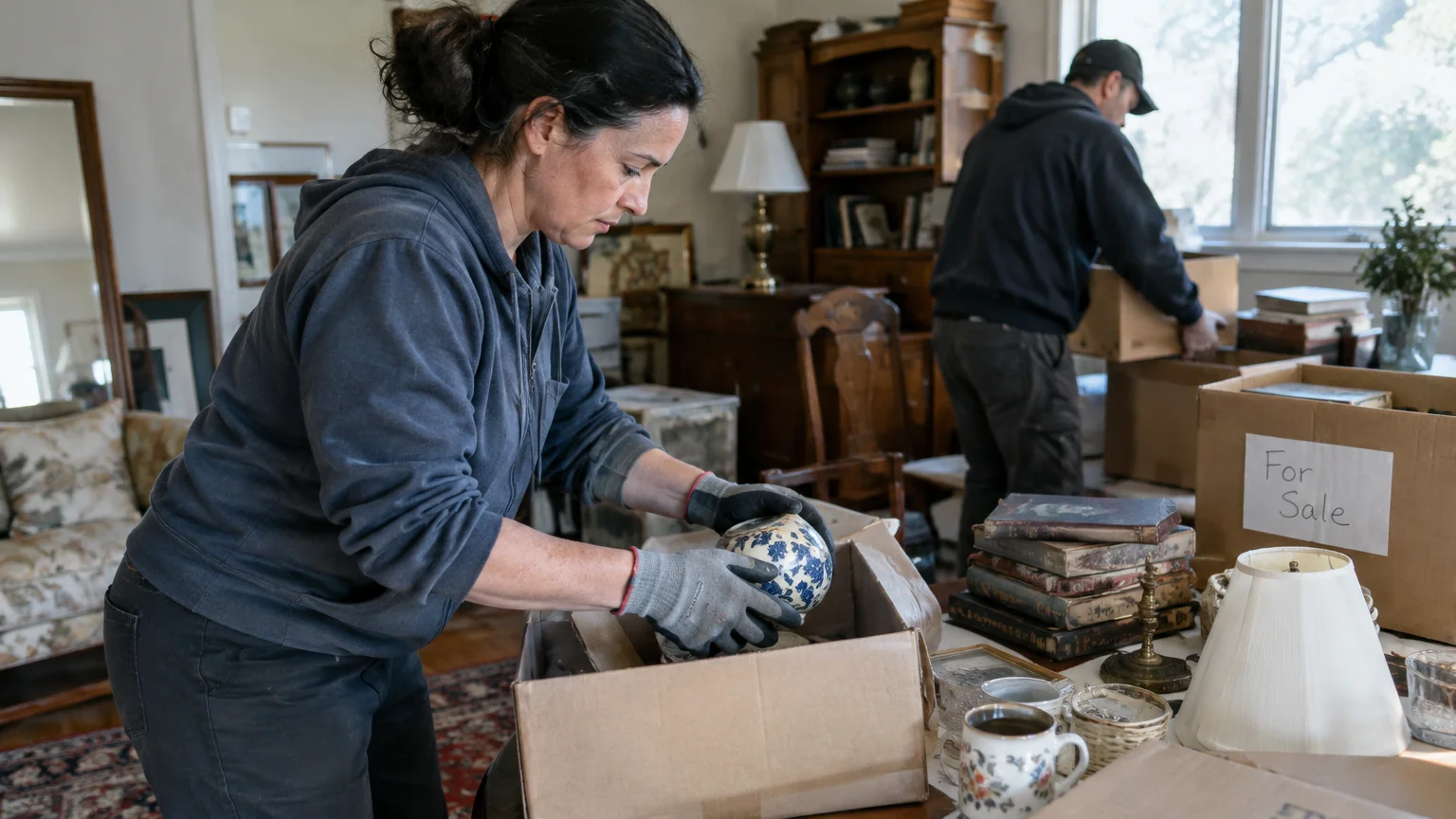
A professional estate cleanout service removes unwanted items after a death, move, sale, or care change. The work may include sorting, lifting, loading, donation routing, recycling, and final removal. A good team follows the family’s directions instead of treating every item as ordinary junk.
How estate cleanouts differ from ordinary junk removal
Ordinary junk removal often handles a smaller group of unwanted items. An estate cleanout may cover the whole home, garage, attic, basement, shed, or storage unit. It can include furniture, clothing, kitchen goods, books, appliances, yard items, and years of personal belongings.
This work needs extra care. Family members may need time to find papers, photos, jewelry, tools, or heirlooms. A team should not assume that old means worthless. Items should be placed in clear groups before anything leaves the property.
The work may also use several disposal routes. Reusable goods may go to a donation center. Metal may go to a recycler. Some appliances need special handling. Household chemicals and some electronics may not belong in regular trash. Local rules help guide the final route.
What a respectful, property-ready process includes
A respectful process starts with a walk-through and a clear plan. The owner, executor, or family representative explains what must stay. The team then marks areas for removal and checks stairs, parking, doors, and other access points.
A property-ready result does not always mean deep cleaning or repairs. It means unwanted contents are gone, so the next step is easier. That step may be an appraisal, donation pickup, repair, listing, staging, sale, or handover.
Junk Removal Springhill helps Springhill property owners decide which items need careful sorting and which can move first. The goal is a calm process that protects important belongings and reduces the family’s physical work.
Is the size of the estate making the cleanout unmanageable?
A cleanout may be too large for one person when many rooms, storage spaces, or outdoor areas are full. Large estates often contain items in places that are easy to miss. A professional team can divide the work into sections and follow a room-by-room plan.
How multiple rooms, outbuildings, and storage areas affect the work
A whole house cleanout can involve more than the rooms people see first. Garages may hold tools and spare parts. Basements may contain old furniture and boxes. Attics may have papers, holiday items, and fragile keepsakes. Sheds may contain lawn tools, paint, or damaged materials.
Each area may need a different plan. A narrow stairway changes how furniture can move. A long path from a shed to the truck adds work. A locked storage unit needs separate access planning. Weather can also affect outdoor items and safe movement.
A person working alone may spend days sorting and still miss a closet or cabinet. This can delay repairs and cause another removal trip. Breaking the property into zones helps everyone see what is done and what remains.
Why a written plan helps prevent overlooked items
A written plan gives the executor or owner a simple record. It can list each room, the items that stay, and the items that may leave. Photos can help family members review a space when they cannot visit.
The plan should mark fragile items, locked areas, documents, and items waiting for family review. It should also note access limits, parking needs, and known safety concerns. This keeps the cleanout from becoming a rushed search.
The plan does not need to be complex. A room-by-room checklist is often enough. Once each section is complete, the family can focus on the next step instead of wondering what was missed.
Are family members struggling to agree on what to keep?
Family disagreement is a sign that outside help may be useful. Strong feelings can make simple choices hard, especially after a loss. A clear sorting system and an impartial work process can keep the focus on the home and the family’s wishes.
How to create a clear sorting system
Before removal begins, family members should agree on a few groups. A simple system may include keep, family review, donate, recycle, and remove. Each group should have a clear place so items do not get mixed together.
Labels, colored tape, or separate rooms can make the system easy to follow. Important papers should stay in one safe box. Photos and keepsakes may need their own container. Anything with legal, financial, or personal value should wait for review.
The family should also name one main decision maker when possible. This avoids conflicting directions during the work. If several people must approve items, a family review area can hold uncertain belongings.
When an impartial cleanout team can reduce conflict
A cleanout team does not decide what a family should keep. Its role is to follow the agreed plan and handle the physical work. This can reduce pressure on relatives who do not want to carry furniture or argue in each room.
An outside team can keep the work moving in a steady order. The family can review special items while the team clears approved areas. This gives people time to make personal choices without making every choice during lifting and loading.
Junk Removal Springhill gives families a local point of contact when they manage a property. Clear directions help protect trust, prevent mistakes, and make the cleanout easier to finish.
Do you need to prepare the property for sale or listing?
A home may need a cleanout before an agent visit, repairs, or listing photos. Clutter can hide floors, walls, windows, and storage space. Removing unwanted contents helps professionals see the property and helps buyers understand its layout.
Which areas buyers and agents notice first
Entryways often shape a first impression. A crowded foyer can make a home feel smaller. Living rooms, kitchens, bathrooms, garages, and outdoor areas also receive close attention during showings and inspections.
Large furniture can block paths and make rooms hard to measure. Stacked boxes can hide damage or block outlets, windows, and cabinets. Yard debris can make outdoor spaces look neglected, even when the structure is sound.
A cleanout does not fix every property issue. It does create room for inspection and repair. When unwanted items are gone, the owner can better see what needs painting, patching, cleaning, or replacement.
How removing clutter supports repairs, staging, and photography
Repair crews need safe paths and clear work areas. Stagers need space to arrange furniture. Photographers need open views that show each room’s size and features. A house cleanout service can help prepare these areas before visits.
Owners should keep items that support the home’s records or sale. These may include appliance manuals, repair receipts, warranties, keys, surveys, and permits. Separate these papers before removal begins.
A cleanout may also help with a house cleanout sale, but the family should decide what will be sold first. Items for sale need a safe, organized area and a clear plan. Anything left after the sale can be sorted for donation, recycling, or removal.
Is the property facing a deadline from an executor, lender, or buyer?
A deadline can make an estate cleanout hard to manage. Executors may need to prepare records. Buyers may expect an empty home. Lenders or property managers may require a neglected property to be cleared. Early planning gives the owner more choices and less stress.
How time-sensitive cleanouts become difficult to coordinate
A cleanout involves more than carrying items outside. Someone must confirm what stays, arrange access, protect floors, sort special materials, and decide where useful goods should go. A delay in one task can affect repairs, inspections, photos, or closing plans.
Short timelines can also lead to poor choices. Family members may throw away papers before checking them. Useful goods may mix with debris. Heavy items may move without enough help. A rushed job can cause damage or leave work unfinished.
The earlier a team sees the property, the easier it is to spot barriers. Narrow doors, full storage rooms, steep stairs, and blocked drives may change the work order. A clear schedule can match important areas to the available time.
What to prioritize when the turnaround is short
Safety comes first. Clear paths, doors, stairs, and work areas before moving large loads. Next, protect papers, keys, family items, and anything named in the estate plan.
After that, owners often focus on areas needed for an inspection or sale. These may include the entry, main rooms, kitchen, bathrooms, garage, and outside paths. The right order depends on the property and deadline.
A written list keeps urgent work from replacing careful decisions. The team and owner can mark what must happen first and what can wait. This is more reliable than trying to clear everything at once.
Are heavy furniture, appliances, or bulky items unsafe to move?
Heavy or awkward items are a strong reason to seek help. Furniture, refrigerators, washers, dryers, safes, hot tubs, and exercise equipment can cause injury or property damage. A team should review the weight, shape, route, and floor protection first.
Common lifting, stairway, and access hazards
Large items may not fit through a doorway without removing doors or changing the angle. Stairs can add fall risks, especially in older homes with weak rails or poor light. Wet floors, loose rugs, broken steps, and narrow halls can make movement unsafe.
Appliances may contain water, oil, refrigerants, batteries, or electrical parts. A refrigerator should not simply be left at the curb without checking local rules. People asking how to get rid of a fridge or dispose of a refrigerator should first confirm the accepted route.
Hot tubs create another challenge. They are large, heavy, and often linked to electrical equipment. Anyone asking how to get rid of a hot tub should avoid cutting or lifting it without a safe plan. The structure, route, and utility connections need review.
Why trained removal planning matters for older or damaged homes
Older homes may have narrow paths, weak floors, or surfaces that scratch easily. Water damage, pests, mold, or building problems can add risk. A removal team should not force an item through a route that could harm people or the home.
Planning may include measuring doors, protecting floors, using several people, and choosing a safer path. In some cases, an item must be taken apart before removal. Ask how the team will protect walls, floors, rails, and door frames.
Homeowners can move light objects when the path is clear. They should not attempt a heavy lift just to save time. A professional estate cleanout service helps when size, weight, access, or building condition creates doubt.
Is the home filled with items that require special handling?
Some household items cannot go into ordinary trash. Electronics, paint, cleaners, batteries, propane cylinders, oils, and some appliances may have special rules. The safest choice is to identify these items before the cleanout.
How to identify electronics, chemicals, paint, and other restricted materials
Look for warning labels, leaking containers, cords, batteries, pressurized tanks, or unknown liquids. Common examples include old televisions, computers, printers, bulbs, pesticides, pool chemicals, and paint cans.
Do not mix unknown liquids or place damaged containers in a vehicle. Keep children and pets away from unsafe materials. If an item leaks, smokes, or has a strong smell, leave it alone and seek help from the proper local authority.
People often ask how to dispose of appliances. The answer depends on the item and local rules. Refrigerators, freezers, air conditioners, washers, dryers, and water heaters may each need a different route. A removal company can help identify items that need separate handling, but owners should confirm local limits.
What happens when donations, recycling, and disposal need separate routes
A careful cleanout sorts items by their next destination. Usable furniture and household goods may go to donation. Cardboard, scrap metal, and some electronics may go to recycling. Damaged or unsafe items may need an approved disposal site.
This sorting takes time, but it can keep useful goods out of the landfill. It also keeps unsafe materials away from regular household items. The final route depends on condition, material, and local acceptance rules.
A professional junk removal service should explain how it handles items it cannot take. Ask before work starts. This is especially important for paint, chemicals, medical items, propane, and special appliances.
Has grief, distance, or work made it hard to manage the cleanout?
Grief can make a home cleanout feel impossible. Distance, work, health limits, or family duties can add another barrier. Local help lets the owner or executor stay involved without carrying every box or visiting for each task.
Why remote property owners often need local coordination
A remote owner may live in another city or state. Travel takes time, and repeated visits may not fit the estate plan. A local team can review access, report what it sees, and complete approved work while the owner stays involved.
Remote work is best when directions are clear. The owner can provide a list of items that must stay, areas needing review, and items that may leave. Photos or calls may help confirm unclear spaces, though valuable items should remain the family’s choice.
Owners should also provide access details. These may include a key, lockbox process, gate information, parking instructions, and an emergency contact. A written record can prevent confusion when several people help.
How to stay involved without handling every task personally
The owner can choose one main contact and set review points. The team may first confirm the plan, then report special items, and finally confirm that approved areas are clear. This keeps communication useful without requiring constant calls.
The family should keep papers and valuables under its control when possible. If they must stay at the property, place them in one secure, named area. The team should know that this area is not part of the removal work.
Junk Removal Springhill can work with owners across the main Spring Hill area, including Timber Pines, Seven Hills, Brooksville, Weeki Wachee, Hudson, Shady Hills, and nearby communities. Clear notes, agreed limits, and regular updates help distant owners make sound choices.
Are you unsure how to handle sentimental belongings and donations?
Sentimental items need a slower process than ordinary clutter. Photos, letters, documents, heirlooms, and handmade items may hold meaning even when they have little sale value. Families should separate these belongings before general removal starts.
How to protect photographs, documents, heirlooms, and keepsakes
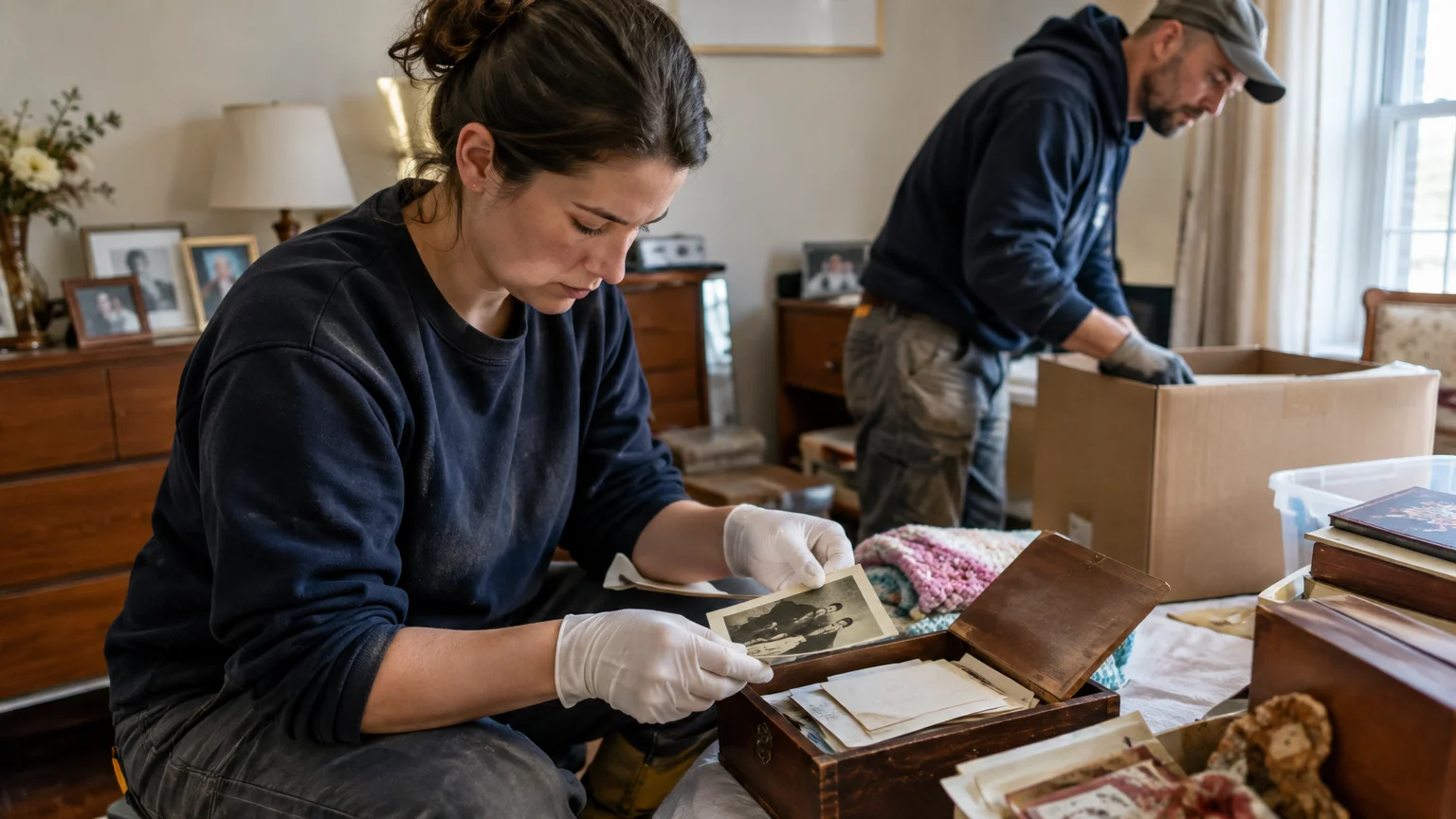
Use clean boxes for papers and photos. Keep them dry and away from direct sun. Do not throw away document boxes without checking for wills, deeds, insurance papers, account records, service records, or family letters.
Store small valuables in one secure place for family review. Jewelry, coins, watches, artwork, tools, and unusual collectibles may need an appraisal or an executor’s decision. A cleanout team should not make that choice.
Labels help prevent mistakes. A note can name the person receiving an item or state that the family must review it. Clear labels matter when relatives sort belongings on different days.
Ways to separate useful items for donation or family distribution
Donation items should be clean, safe, and usable. Clothing can be bagged by size or type. Kitchen goods can be boxed together. Furniture should be checked for damage, stains, pests, and missing parts before anyone promises it to a charity or family member.
Family distribution may work better when each person submits a list. Photos can help relatives choose without moving everything. A deadline for claims can prevent the home from staying full while choices remain open.
The final group may include items that no family member or donation center can use. Those items can then be sorted for recycling, special handling, or removal. This order protects meaningful belongings and makes the final cleanout easier.
How should you choose the right professional estate cleanout service?
The right service should offer a clear plan for sorting, removal, access, and special items. Owners should choose a team that listens, explains limits, and treats the home with care. A short talk before scheduling can show whether the service fits the property.
Questions to ask about sorting, removal, donations, and property access
Ask how the team handles items that must stay. Ask whether workers can separate donations, recycling, appliances, and household debris. Ask what happens when workers find documents, valuables, chemicals, or items not listed during the first review.
It is also useful to ask about access. Explain stairs, narrow doors, parking limits, gates, elevators, weak floors, and known damage. If the home is empty, explain how entry and final locking will work.
Owners may also ask whether the service handles estate cleanouts, foreclosure cleanout work, hoarding cleanup, professional house cleanouts, and bulky appliance removal. The answer should match the property’s needs. A company that mainly removes curbside items may not fit a full estate.
What to confirm before scheduling the cleanout
Before work starts, confirm the areas included, items that must remain, access details, and the work order. Confirm how special materials will be handled and whether another provider is needed for items the team cannot accept.
The owner should also confirm how updates will be shared. One named contact can reduce confusion when an executor, relative, agent, and property manager all have a role. Written notes help everyone follow the same plan.
A professional estate cleanout service should provide a written quote after reviewing the job. The final cost can depend on the amount of material, labor, access, item type, and urgency. Review the details before scheduling and ask about anything unclear.
Key Takeaways
- A professional cleanout can help when an estate is too large, unsafe, or time-sensitive.
- Families should separate keepsakes, papers, valuables, donations, recycling, and removal items.
- Heavy furniture, appliances, hot tubs, chemicals, and electronics may need special handling.
- A room-by-room plan helps prevent mistakes and missed storage areas.
- The right team explains its process and respects the owner’s directions.
Frequently Asked Questions
What is a cleanout service?
A cleanout service removes unwanted belongings from a home, building, storage space, or yard. Estate work may include sorting, lifting, loading, donation separation, recycling, and disposal planning. The service does not replace an executor, appraiser, lawyer, or hazardous-material expert. Families still decide what has personal, legal, or financial value.
How do I get rid of old appliances?
Start by identifying the appliance and checking local acceptance rules. Refrigerators, freezers, air conditioners, washers, dryers, and water heaters may need different handling. Do not leave an appliance outside or take it apart without guidance. A removal team can explain whether it can handle the item or needs another route.
What happens to old appliances after removal?
The next step depends on the appliance’s condition and materials. Some may be reused, recycled, or sent to a facility with the right equipment. Others may need special handling because of refrigerants, batteries, oils, or electrical parts. Ask about the planned route before the item leaves the property.
Can a cleanout service help with a house sale?
Yes. Removing unwanted contents can open paths, rooms, garages, and outdoor areas for repairs, staging, inspections, and photos. Keep records, keys, warranties, and sale papers separate. A cleanout prepares the property, but it does not replace repairs, deep cleaning, or professional staging.
Should a family clean out an estate alone?
A family can handle light sorting when the home is small, safe, and easy to access. Professional help makes more sense when there are heavy items, many rooms, tight deadlines, unsafe materials, distant owners, or serious stress. Families should never attempt a lift or disposal task that could cause injury.
Conclusion
An estate cleanout becomes harder when the home is full, the family is under stress, or the property has a firm deadline. Professional help can provide a steady plan for sorting, removal, donations, appliances, and difficult access. It also gives families more time to protect the belongings that matter most.
Junk Removal Springhill helps property owners plan respectful cleanouts and nearby communities. Contact us to discuss the property and the next safe step.